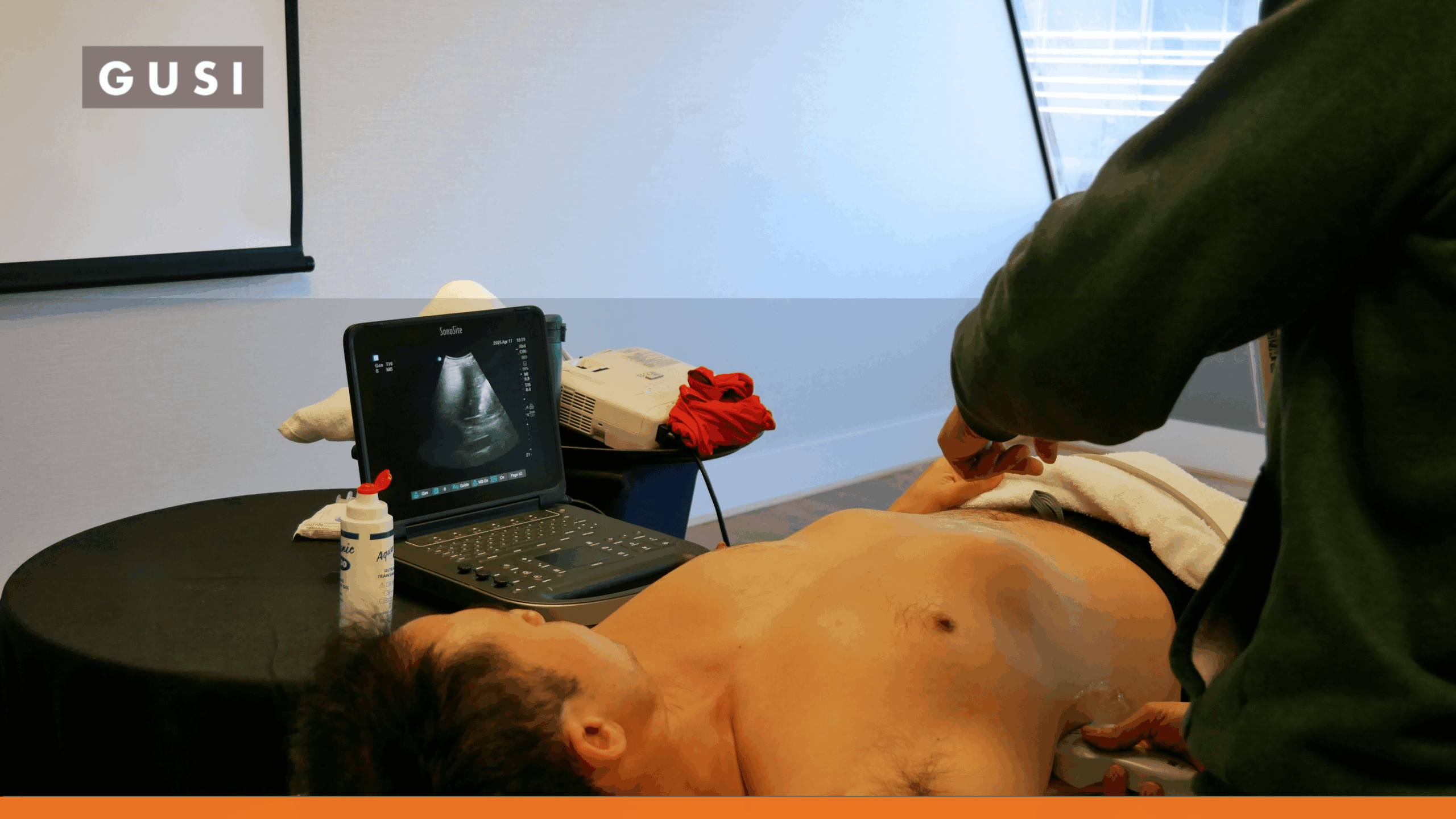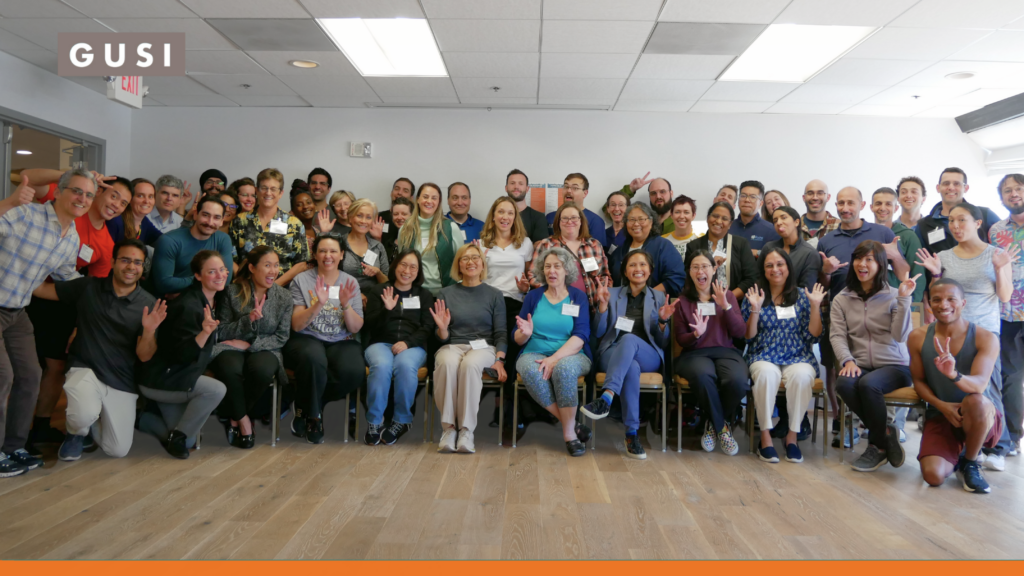

Beyond its revolutionary clinical applications, POCUS is carving out a unique role in medical diplomacy.
POCUS: Bringing Healthcare to the Patient
POCUS transforms healthcare by meeting patients where they are, regardless of the setting. Whether it’s a rural health post, a homeless encampment, a patient’s home, an inner-city clinic, or an ICU, POCUS empowers clinicians to answer focused diagnostic questions on the spot:
- Is my patient pregnant?
- Does she have gallstones?
- Is their shortness of breath due to pneumonia or heart failure?
The ability to deliver immediate, clinically relevant answers saves time, reduces costs, and improves patient satisfaction. It also enhances education—giving patients the chance to see and better understand their own bodies. Recognizing its importance, many U.S. medical schools now gift ultrasound devices to students at their white coat ceremonies, alongside the traditional stethoscope.
A Game-Changer in Low-Resource Settings
In developing countries, POCUS is as transformative as the cell phone. In rural health posts, it might be the only diagnostic tool available apart from a stethoscope. Even in urban areas, it helps ease diagnostic bottlenecks.
Consider Lima, Peru, where patients often wait up to two months for a chest X-ray to rule out pulmonary tuberculosis. With quick bedside ultrasound, enhanced by artificial intelligence, clinicians could triage patients in minutes, vastly improving care delivery.
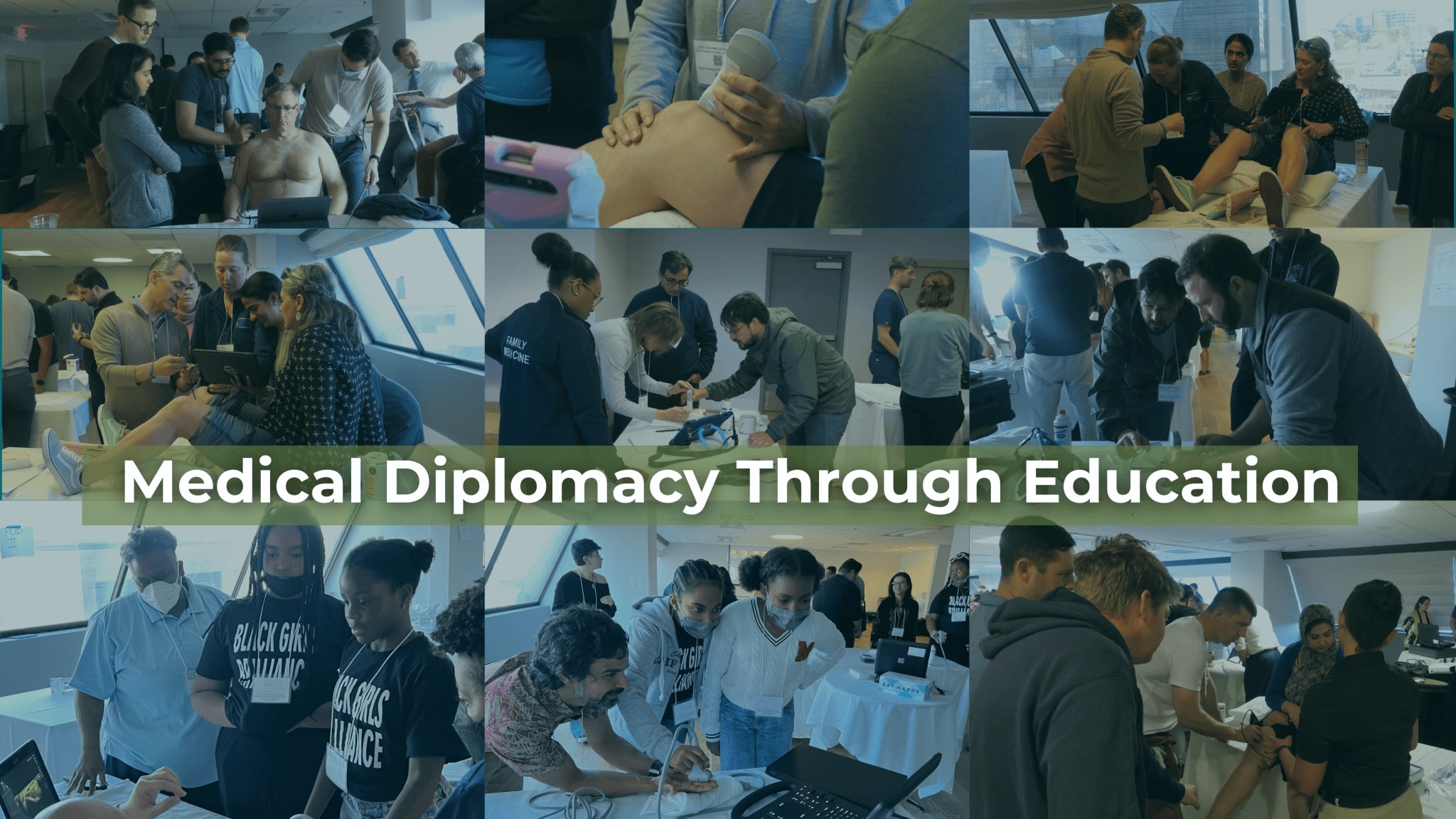
Mastering POCUS takes practice—the American Academy of Family Physicians recommends 150 to 300 supervised scans to achieve general competency. This hands-on learning process creates a unique opportunity for medical diplomacy through educational exchange.
Organizations like the Global Ultrasound Institute bring clinicians together from countries including the U.S., Brazil, Mexico, and the U.K. These collaborations foster professional relationships and create a platform for sharing knowledge, developing innovative applications, and building mutual trust across borders. View Point of Care Ultrasound courses in our POCUS training page.
A Shared Mission for the Future
POCUS isn’t just a tool—it’s a mission. By connecting clinicians, educators, and patients globally, it bridges gaps in healthcare access and understanding. From revolutionizing rural diagnostics to fostering international collaboration, POCUS exemplifies the power of technology to unite us all.
The future of medicine has arrived. Let’s use POCUS to connect, innovate, and bring healthcare to those who need it most.
Acknowledgment
This blog post is written by Jason Chen and is inspired by the article from American Academy of Family Physicians’ Recommended Curriculum Guidelines for Family Medicine Residents entitled “Point-of-Care Ultrasound” which emphasizes the role of POCUS in diplomacy.

Jason Chen, MD, MPH
UCSF-Contra Costa Global Health Fellow
University of Utah School of Medicine
Completed Family Medicine Residency at Natividad in Salinas, CA