

What the coaching feedback covers
At a glance
Coaching against explicit, society-aligned standards
Four dimensions assessed on every scan
Specific next steps, not a generic verdict
The same standards for every learner
The four dimensions
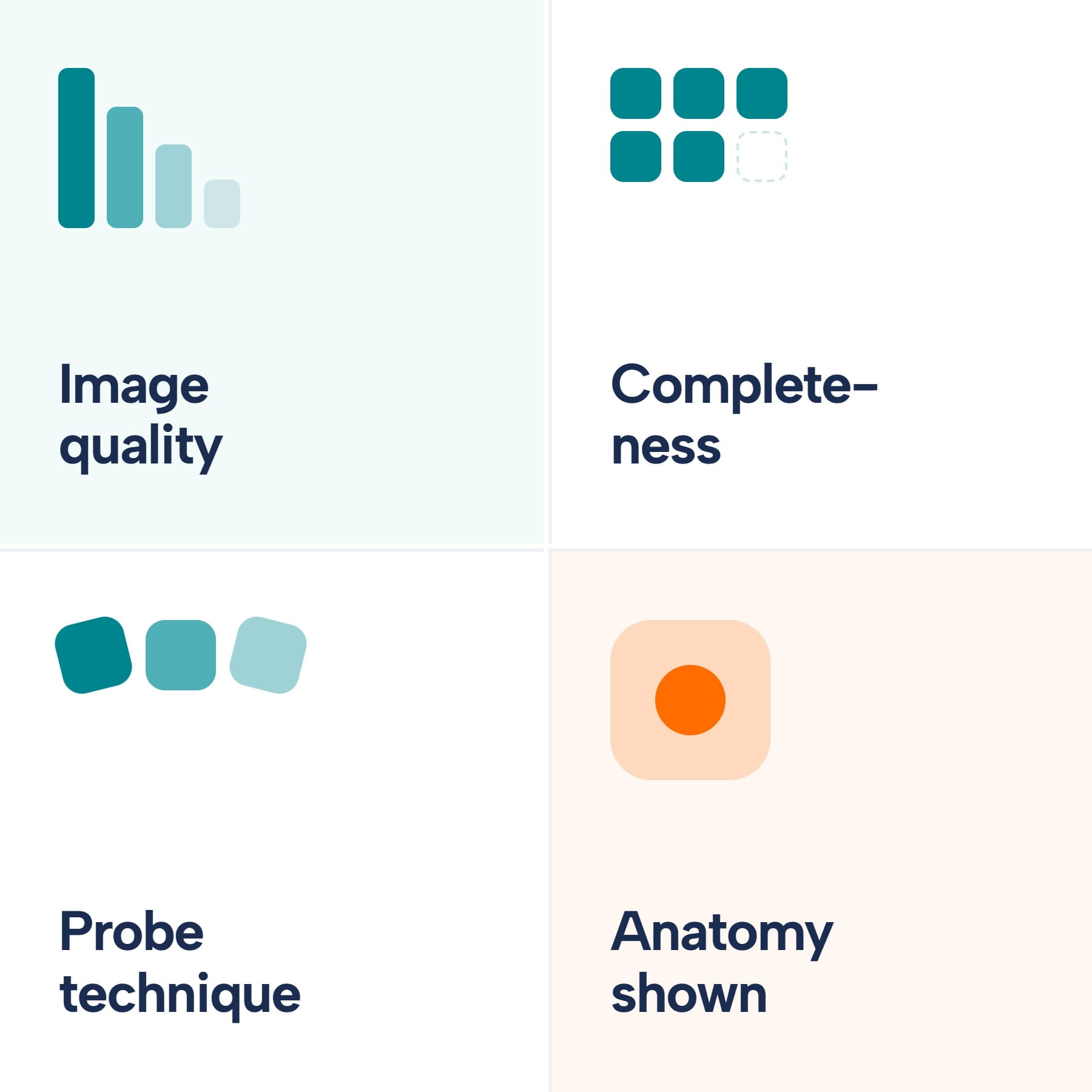
Every scan is coached across the same four areas — mirroring how an experienced educator thinks about an acquisition.
Image quality — depth, gain, focus, and overall clarity
Completeness — whether the required views were actually captured
Probe technique — orientation, angulation, and movement
Anatomical visualization — whether key anatomy is clearly demonstrated
Coaching, not a verdict
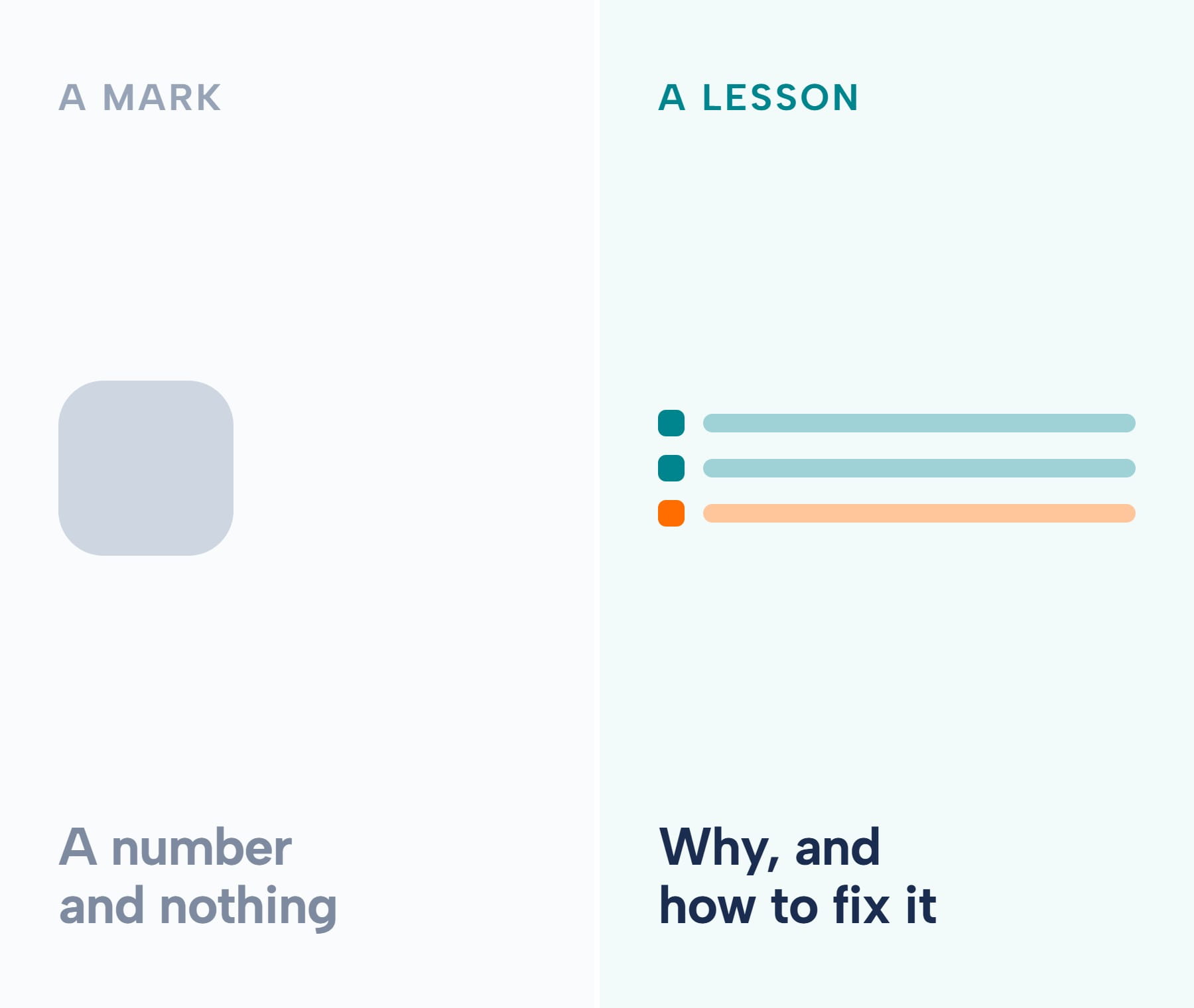
Feedback explains why a view fell short and how to fix it — the difference between a mark and a lesson. That is what makes it useful on the very next scan.
Why explicit standards matter
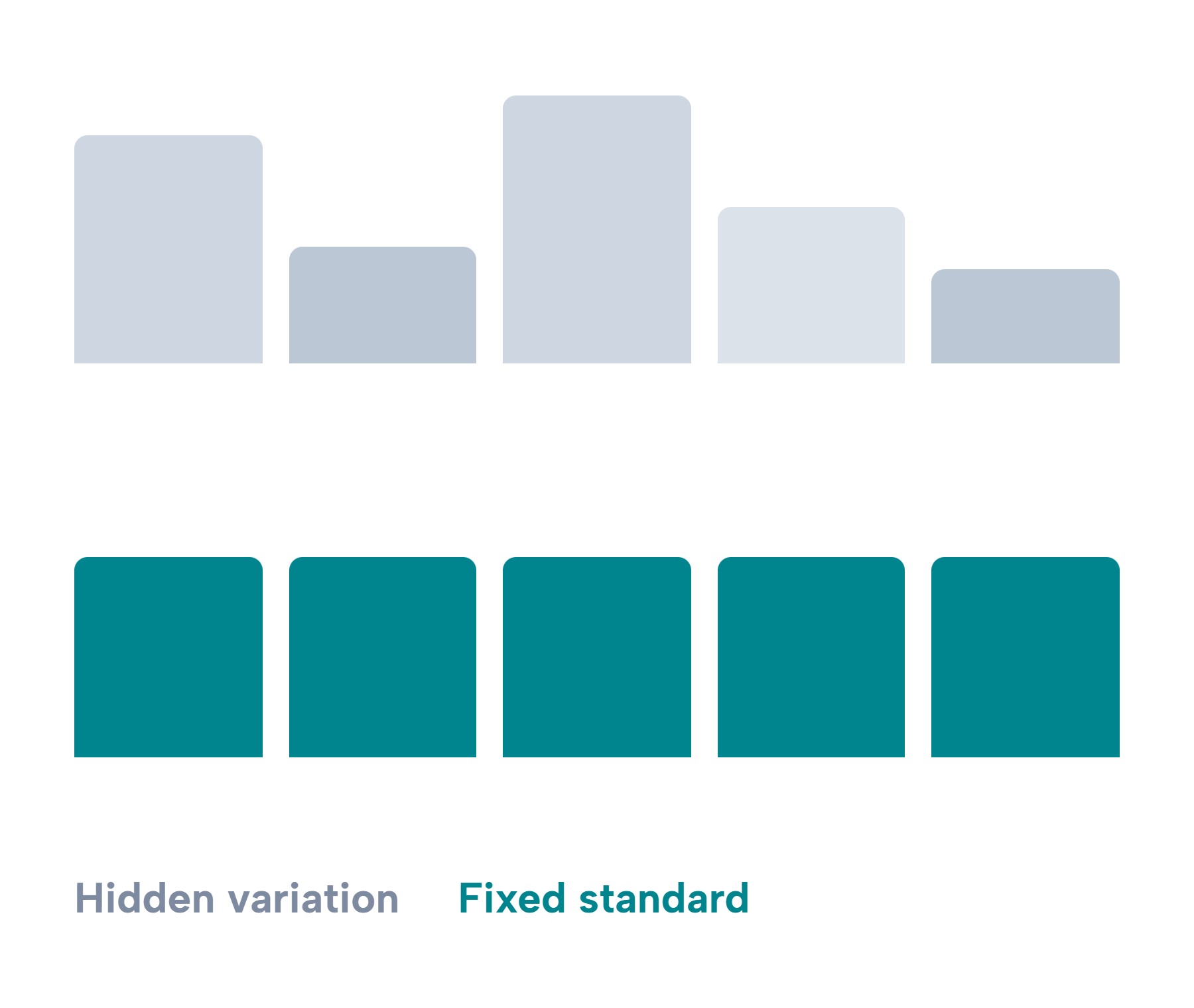
The alternative to explicit standards is not neutrality — it is hidden variation. When expectations live in individual memory, the same scan can be described differently depending on who looks at it and when. Learners feel that as mixed messages, and programs cannot tell genuine progress from noise.
Instant Review fixes the standard in place. Coaching is anchored to written criteria drawn from established society guidance, so feedback is consistent from scan to scan and learner to learner. That consistency is what makes improvement measurable rather than anecdotal.
Coverage, stated honestly
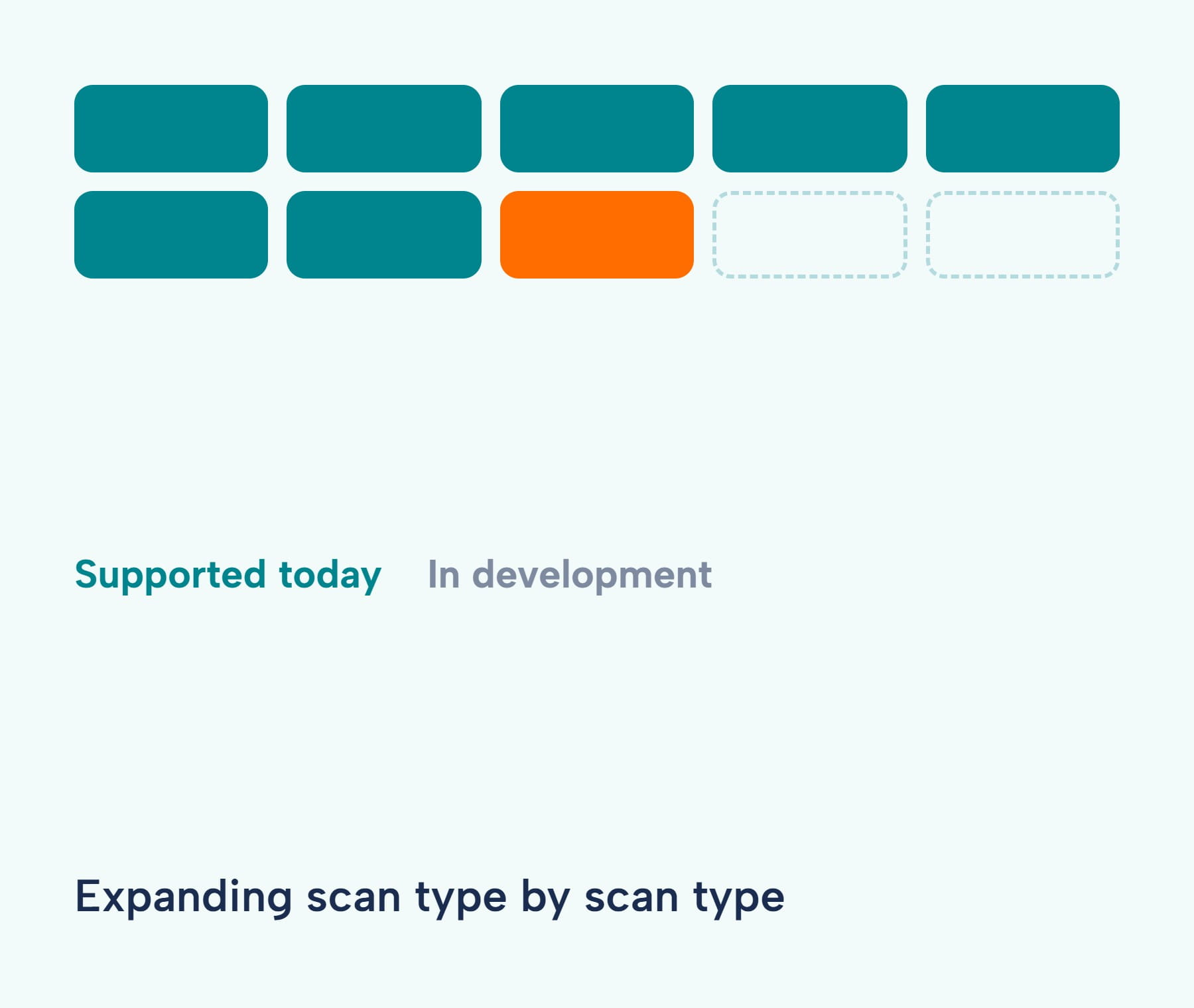
Coaching coverage expands scan type by scan type and finding by finding. Rather than overclaim, Instant Review is transparent about what is fully supported today and what is still in development, so a program knows exactly what it is adopting.
That honesty is part of an education-first posture: a tool that pretends to cover everything erodes the trust it needs to be useful. Exact coverage for your scan types is confirmed at onboarding.
Reading feedback in context
A single scan is a snapshot; a series of scans is a trajectory. Instant Review’s feedback is designed to be read both ways — the immediate guidance tells a learner what to change on the next attempt, while the pattern across many scans shows where real skill is building and where it is not.
Programs are encouraged to treat any single piece of feedback as a starting point for a conversation, and the trend as the more reliable signal. That is where coaching turns into development.
Note: Instant Review focuses on coaching. Formal competency grading is part of a broader GUSI solution, and Instant Review is one component of it — talk to us about where it fits your program.
What makes feedback actionable
There is a meaningful difference between feedback that describes a problem and feedback a learner can act on. “Image quality could be better” identifies something; “increase your depth so the far wall is visible, then reduce gain slightly to recover contrast” tells someone exactly what to do differently on the next attempt. Instant Review is built for the second kind.
That specificity comes from assessing the same four dimensions every time and describing what was observed in each. Because the categories are fixed, the guidance can be concrete rather than general, and a learner can compare this scan to their last one on equal terms. Over a series of scans, the repeated notes become a clear signal about where practice will pay off most.
Coverage and clarity are also why the feedback holds up across specialties. A family medicine resident, an internal medicine hospitalist, and an emergency medicine fellow are all coached against the same four dimensions, described the same way, even though the scans and clinical questions differ. That shared structure is what lets a program set one expectation for scanning quality rather than several competing ones.
It also makes the feedback teachable. An educator reviewing a learner’s recent scans sees the same categories the learner has been working from, which makes a coaching conversation faster and more focused than starting from a blank page. The shared vocabulary is part of the value — everyone is describing the same things in the same terms.
Didn’t find your answer?
No worries! If you have any other questions or need more information, feel free to reach out directly.
Have more questions? Send us a message.
Frequently Asked Questions
What does Instant Review™ look for when evaluating a scan?
Instant Review™ evaluates each supported scan across four core dimensions: image quality, completeness, probe technique, and anatomical visualization. These categories provide a consistent framework for identifying what was done well, what could be improved, and what the learner should focus on during the next acquisition.
How specific is the coaching feedback?
The feedback is designed to be actionable rather than general. Instead of simply stating that an image needs improvement, Instant Review™ identifies the area that needs attention and provides practical guidance for the next scan, such as adjusting depth or gain, changing probe orientation, obtaining an additional view, or better visualizing a required structure.
Can Instant Review™ feedback be used to determine competency?
Instant Review™ is primarily designed for coaching and quality improvement rather than serving as a standalone determination of clinical competency. A single scan provides useful feedback on an acquisition, while patterns across multiple scans can help show how a learner is progressing over time. Formal competency decisions should incorporate the broader assessment process established by the learner’s program or institution.

Get early access
Book a consult
For educators, faculty, programs, and administrators evaluating Instant Review for a group.
For educators, faculty, programs, and administrators evaluating Instant Review for a group.
"*" indicates required fields
Join the waitlist
For individual learners and fellows who want early access when it opens.
For individual learners and fellows who want early access when it opens.
"*" indicates required fields