
Point of Care Ultrasound (POCUS): Transforming Primary Care
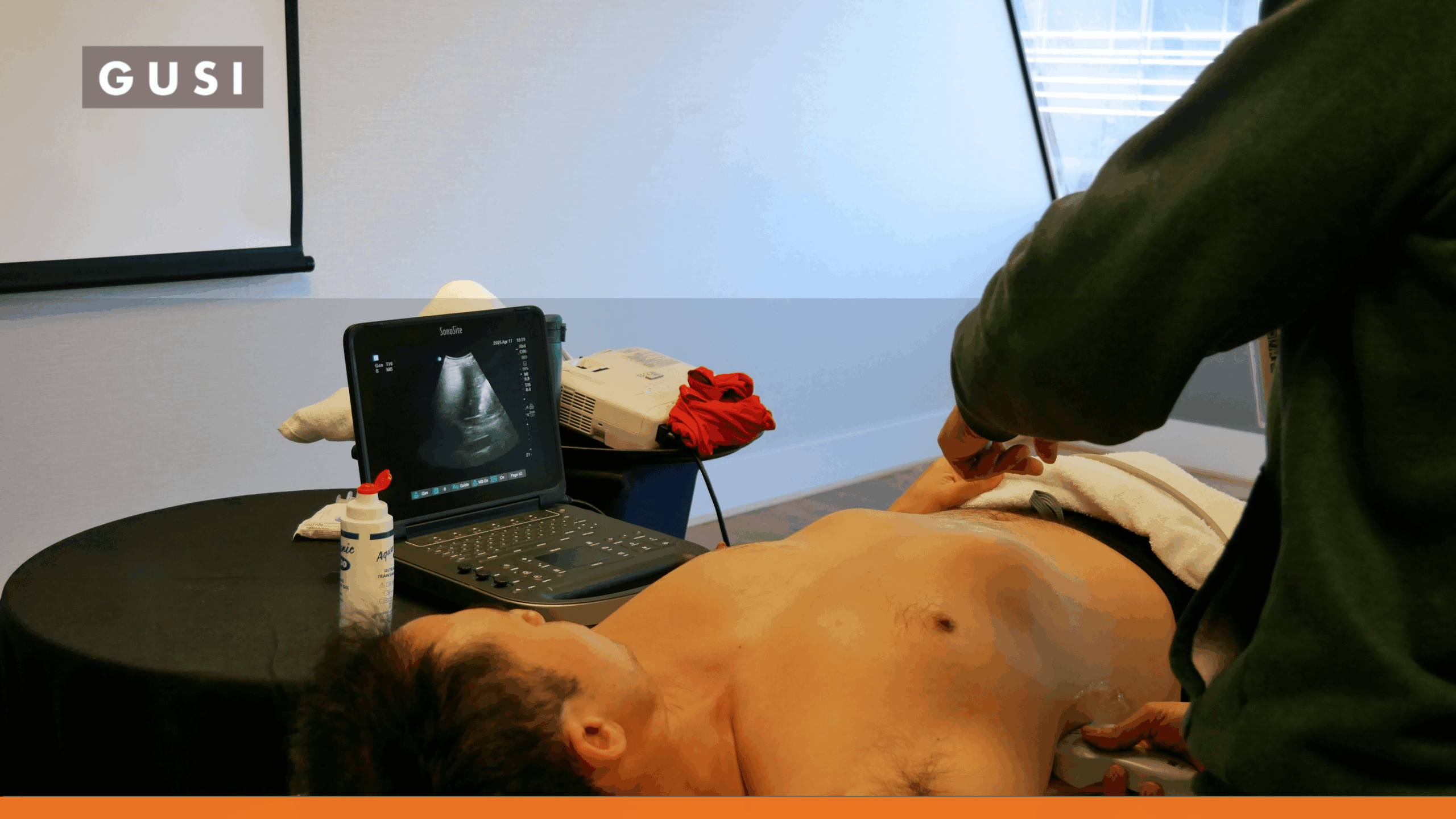
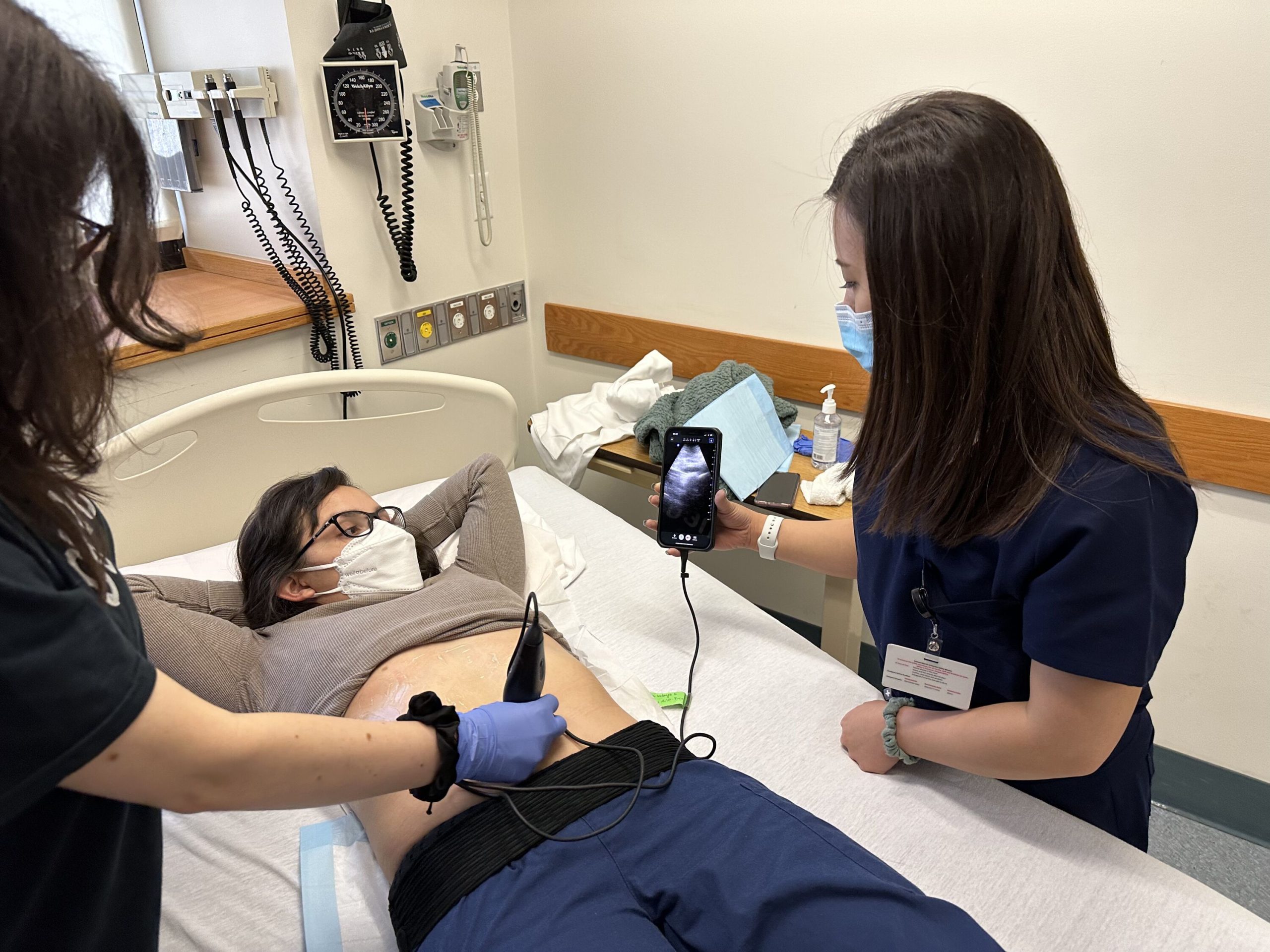
Point of Care Ultrasound (POCUS) is rapidly becoming an essential diagnostic tool in primary care settings. This technology empowers general practitioners (GPs), family physicians, and other primary care professionals with immediate, bedside imaging, enhancing clinical decision-making and ultimately improving patient outcomes.
WONCA Europe’s Authoritative Position

The World Organization of National Colleges, Academies, and Academic Associations of General Practitioners and Family Physicians (WONCA) Europe – a highly respected authority in the field – recently published a position paper advocating for the expanded use of POCUS in primary care. Their analysis, published in the Cambridge University Press journal Primary Health Care Research and Development, outlines the benefits of POCUS, including:
- Increased Diagnostic Accuracy: POCUS aids in diagnosing issues like pneumonia, heart failure, appendicitis, and deep vein thrombosis right at the patient’s bedside.
- Reduced Costs and Improved Efficiency: POCUS can streamline care, reducing the need for unnecessary referrals and leading to lower healthcare costs.
- Enhanced Patient Experience: Patients appreciate the convenience, faster results, and overall improved primary care experience.
POCUS in the United States
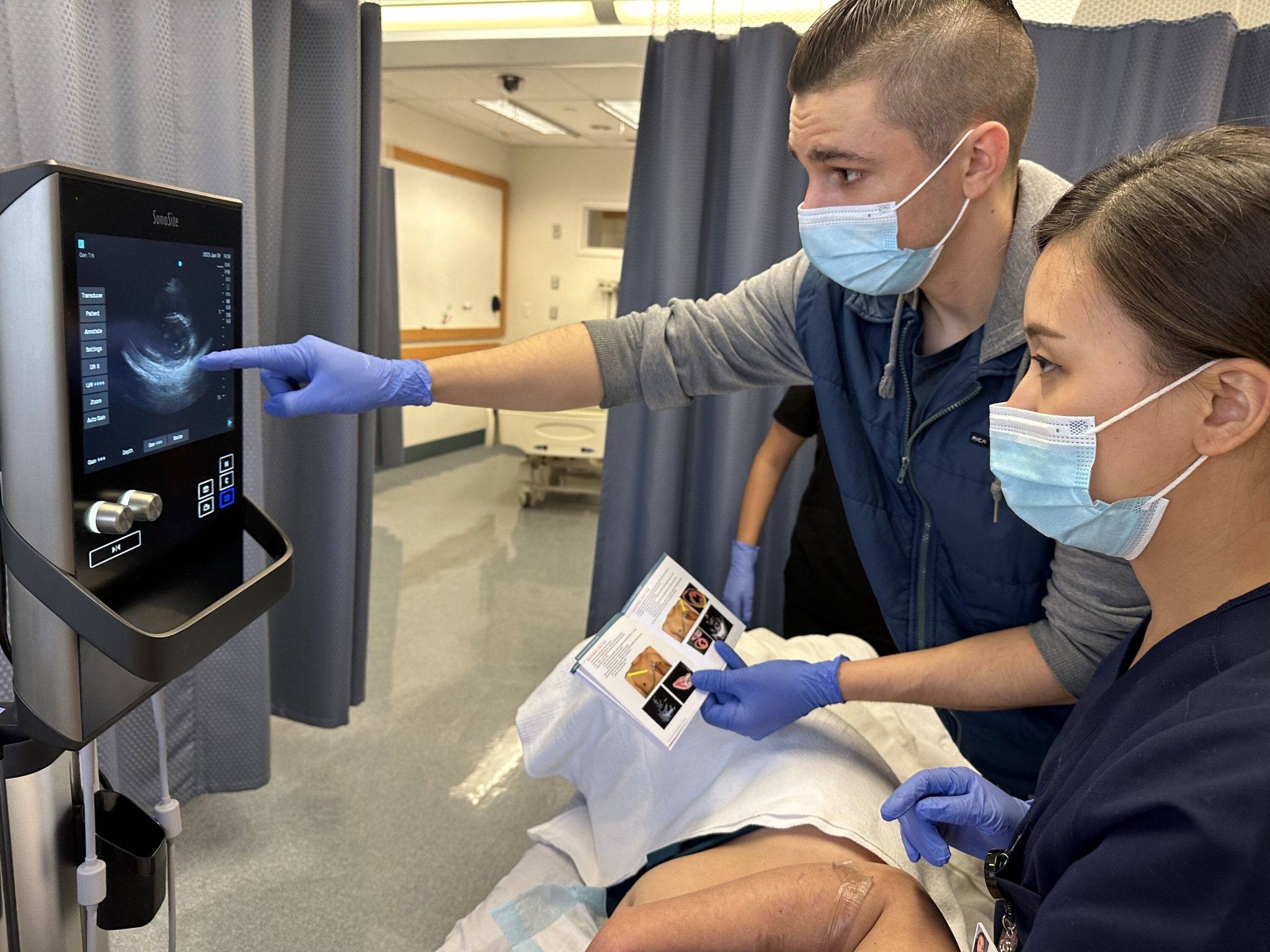
The US is witnessing a surge in POCUS adoption within primary care. While data varies, studies indicate that 30-50% of primary care providers now use POCUS, with many more actively seeking training. Healthcare professionals recognize the value of POCUS for making informed clinical decisions and avoiding costly referrals and delays.
Expanding the Reach of POCUS
POCUS benefits extend beyond primary care physicians:
- Nurse Practitioners and Physician Assistants: POCUS enhances their ability to provide comprehensive patient care.
- Emergency Medical Technicians (EMTs): POCUS in the field improves triage and the diagnosis of critical conditions.
- Hospitalists and Specialists: POCUS is used for rapid assessments and supports numerous procedural interventions.
Transform Your Practice with the Global Ultrasound Institute
Are you ready to explore the potential of POCUS? The Global Ultrasound Institute offers a robust platform for learning skills and knowledge to confidently integrate POCUS into your practice. We provide:
- On-Demand Courses: Covering POCUS applications across various specialties. Includes relevant literature, scanning technique (with optional simulation add-on), pathology, troubleshooting, and clinical integration. Explore our course catalog >
- Hands-On Training: Develop your techniques with expert guidance. Emphasizes hands on scanning in clinical context led by physicians in clinical practice. Discover In-Person Courses >
- Certification Pathway: Connect with other POCUS practitioners for collaboration and knowledge sharing. Explore everything we have throughout our website here at Global Ultrasound Institute (GUSI) and take your patient care to the next level. POCUS offers a powerful advantage, aiding in faster, more accurate diagnoses for improved patient outcomes.
- Community Support: Connect with other POCUS practitioners for collaboration and knowledge sharing.
Explore everything we have throughout our website here at Global Ultrasound Institute (GUSI) and take your patient care to the next level. POCUS offers a powerful advantage, aiding in faster, more accurate diagnoses for improved patient outcomes.
Explore everything we have throughout our website here at Global Ultrasound Institute (GUSI) and take your patient care to the next level. POCUS offers a powerful advantage, aiding in faster, more accurate diagnoses for improved patient outcomes.
Don’t miss out on this revolutionary shift in primary care!
Note: We’ve highlighted WONCA Europe’s position of authority and included a direct invitation to read the full article on Cambridge.org for those who want to delve deeper.
Poppleton A, Tsukagoshi S, Vinker S, et al. World Organization of National Colleges, Academies and Academic Associations of General Practitioners and Family Physicians (WONCA) Europe position paper on the use of point-of-care ultrasound (POCUS) in primary care. Primary Health Care Research & Development. 2024;25:e21. doi:10.1017/S1463423624000112