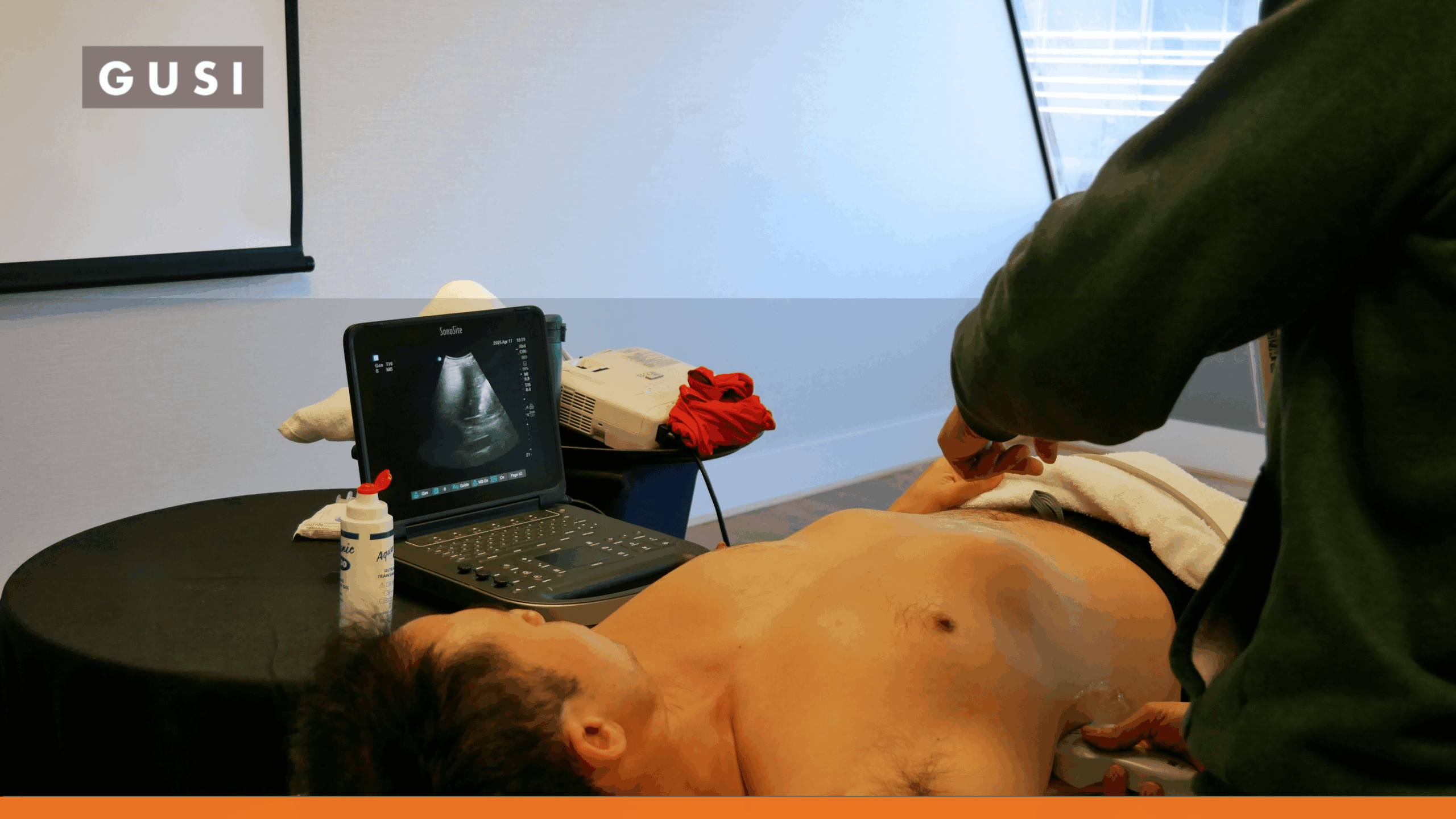

Chorionicity

Chorionicity is a critical concept in obstetrics and gynecology (OBGYN), particularly in multifetal pregnancies, referring to the number of placentas. This determination, primarily made through early ultrasound imaging, is crucial for assessing pregnancy risks and guiding management. Accurately identifying chorionicity (monochorionic vs. dichorionic) helps differentiate between twin types and predict potential complications like twin-twin transfusion syndrome, which affects only monochorionic pregnancies.

Early and precise ultrasound assessment of chorionicity is paramount in medical practice for optimizing fetal outcomes. The presence of two separate placentas (dichorionic) generally indicates a lower risk profile compared to a single shared placenta (monochorionic), which carries higher risks for both fetuses. Therefore, understanding chorionicity through detailed ultrasound examinations allows OBGYN specialists to tailor monitoring and interventions, enhancing prenatal care and ensuring better maternal and fetal health.

Clinical Author

Dr. Emma Khabure is an experienced Family Physician in Kenya with a dedicated focus on point-of-care ultrasound (POCUS) across clinical settings. Over the past 3 years, Dr. Emma Khabure has...

Read More
Want to learn more?

POCUS Essentials Course

Learn More

Related Posts by Term

POCUS QA process

The QA Gap: Why Most POCUS Programs Still Don’t Have One and How to Fix It

POCUS training can give clinicians the confidence to scan. But
continue reading

How AI Will Change the Way You Practice POCUS — Insights From Our Expert Panel

Part 1 of a 3-Part Series on Artificial Intelligence in
continue reading

Building the Next Generation of Ultrasound Educators: The GUSI MedConnect Instructor Training Program

In a small practice room at Touro University California, a
continue reading

MedConnect – Bruno Vargas

“I don’t know how to be a doctor without using
continue reading

Closing the Maternal Care Gap in Rural Philippines With POCUS

Bridging the Maternal Care Gap with POCUS In many rural
continue reading

How Lung Ultrasound Helps Clinicians Catch Tuberculosis Sooner

Webinar Summary: June 18, 2025 | Presented by Global Ultrasound
continue reading

The FASH Exam: POCUS for HIV-Associated Tuberculosis

The FASH exam is a focused POCUS protocol that helps
continue reading

Hands-On POCUS Training for Primary Care in San Francisco

See how GUSI teaches hands-on POCUS for primary care in
continue reading

POCUS vs. CT Scan: When Ultrasound Is the Safer First Step

POCUS provides immediate, radiation-free answers to focused clinical questions, while
continue reading

Contribute to the POCUSpedia

Help us improve the accuracy and completeness of the POCUSpedia. Your contributions help maintain the highest standards of factual content.
Contributors who provide verified corrections or additions will be credited with a link to their chosen web address. We appreciate your expertise and time in helping us maintain accurate information about POCUS

As a [Specialty] clinician, POCUS has completely changed how I practice. GUSI’s training gave me the confidence to make faster, more accurate decisions for my patients.

JONATHAN DOE
Private Practice Owner

Suggest a Correction

* Required fields

“”